As an HR leader, how do you know which data points to prioritize?
Answer: You shouldn’t be prioritizing any particular data point. When you’re trying to make a change based on numbers, you want to act on trends instead.
A trend is the direction in which something’s moving. A data point is just a number fixed in time with no context.
What does this look like in practice for a people and culture leader?
Let’s say you have an excerpt from your latest employee engagement survey that says 85% of employees are satisfied with their employee benefits package.
On the face of it, this sounds like a good thing. 85% is a pretty high number, after all. But this is only a data point.
It doesn’t tell you how many employees were satisfied with their employee benefits package the year before.
If you find out that the year before 88% of employees were satisfied with their package, and the year before that 95% were satisfied with their package, now you’ve got a different story.
Suddenly, that 85% satisfaction rate isn’t so impressive, because you’re trending downwards. Your satisfaction scores are dipping.
On the flip side, a company with a 65% employee engagement score in year 3, a 60% engagement score in year 2, and a 55% engagement score in year 1 has some pretty exciting information on their hands.
They’re trending upwards.
Whatever changes they’ve been making are working and they can continue doing what they’re doing.
Trends are helpful for organizations, especially people and culture teams. They help your organization know what’s working and what needs improvement.
Trends are for meaningful change.
Data points are for vanity PR exercises.
As a people and culture leader, understanding your trends in important areas is a powerful capability to have in your toolbox.
Not only does trend information make you a more effective people and culture leader, it also allows you to back up your proposed initiatives with proof and gain a seat at the table.
You can arrive with the numbers to make your case – or prove your success – in the same way your colleagues in sales and finance can.
So how do you collect this data as a people and culture function?
By using pulse surveys.
What are pulse surveys?
Pulse surveys are short questionnaires distributed on a frequent basis.
Since pulse surveys are great at tracking trends, it’s useful to distribute the same questionnaire throughout the year, so you can measure employees’ responses to the same questions.
Annual employee engagement surveys are usually only a reflection of how employees are feeling at the end of the year.
The results may be overly positive or overly negative due to recency bias.
Annual employee surveys also have some key limitations.
For one, they’re quite long which can cause survey fatigue.
Making the survey mandatory isn’t always a solution to this problem. Your employee may just want to get the whole thing over with and wind up satisficing.
Satisficing is when respondents put minimal effort into their survey responses. Examples of satisficing are:
- Picking the first response in a list of options because it’s “close enough” rather than reading the entire list of responses
- Selecting “don’t know” instead of providing an opinion
- Randomly choosing responses so you can speed through the survey
Another way employees get through survey fatigue is by straightlining. Straightlining refers to providing the same response (e.g. “Neutral”, “Strongly Agree”) for every survey question.
There’s another common problem when it comes to designing employee surveys: the questions companies choose.
Sometimes, annual surveys are a combination of random questions that have very little bearing on employee satisfaction.
One data point about how much employees enjoyed the holiday party is not especially meaningful or helpful.
Trend data about how employees feel about your organization's ongoing engagement efforts is.
While annual surveys give you a snapshot of a moment in time, pulse surveys help you understand patterns and trends over the entire year. They can help you understand your workforce, prioritize your people and culture projects, and track the success of your initiatives.
If you’re unsure how to get started, here are 19 questions to ask in your pulse surveys.
Here are 19 questions to ask in your pulse surveys:
Survey questions about employees’ personal experiences
Pulse survey questions
I would recommend our organization as a great place to work.
Dissatisfied employees pose both turnover risk, performance risk, and reputational risk.
In 2021, nearly half of employees in Canada say that they’re seriously considering leaving their roles due to job dissatisfaction.
That dissatisfaction stems from a lack of connection to their colleagues, increased workloads, and minimal support from their superiors.
Turnover represents a huge cost for employers, especially when replacing in-demand candidates in specialized roles. It’s worth keeping the employees you’ve already got, as happy as possible.
Employee dissatisfaction is also a performance risk. Dissatisfied employees do not use high discretionary effort (aka go beyond the minimum requirement) when doing their jobs.
High discretionary effort is essential in order to compete. In today’s knowledge economy, it’s difficult to assess when employees aren’t using their full brain power, problem solving skills, and creative potential. They’re more likely to invest if they care.
If they don’t care, a company with more engaged employees will solve customer problems faster, develop new and innovative products and services, and work more collaboratively with their colleagues. Companies lose an estimated $450 to $500 billion per year because of dissatisfied and disengaged employees.
Finally, dissatisfied employees also pose reputational risk. Dissatisfied companies are less likely to recommend the company to others in their network and they’re more likely to share bad reviews (either in person or online) about their company.
An estimated 1 in 3 people have turned down a job offer because of bad reviews online. Developing and protecting your employer brand is important if you want to attract the best talent and access your best workers’ professional networks for referrals.
I feel a sense of belonging at this organization.
Humans are built for connection, and this characteristic doesn’t disappear when they go to work. Even when stifled, the need for belonging rears its head and sees if any can be found at work.
When employees don’t feel a sense of belonging, they’re less likely to fully engage with their work and go beyond the bare minimum to help meet business goals.
40% of employees say they don’t feel a sense of inclusion at work. While it’s tempting to dismiss “belonging” as something irrelevant to work, creating this kind of culture can have a meaningful impact on a company’s bottom line.
A sense of belonging at work can lead to a 56% increase in job performance, a 50% reduction in turnover risk, and a 75% drop in the number of sick days.
Workplaces can create a sense of belonging by:
- having a zero tolerance policy towards microaggressions and inappropriate remarks
- addressing instances of discrimination head on and with a clear and transparent policy
- encouraging managers to have more one-to-one meetings with their team members
- using pulse surveys to keep tabs on how included employees feel and identify the causes of exclusion
I am excited about our organization's future.
Millennials have developed a reputation for being job hoppers – 6 in 10 millennials say they’re open to new job opportunities – but this may not be entirely fair.
Within every generation, people job hop early in their career to find the perfect fit.
One of the ways they determine this is by assessing a specific company’s future. Employees are asking themselves questions like:
- Is this company staying on top of trends, or are they sticking to old ways of doing things that will make them irrelevant and uncompetitive over the long run?
- Are there opportunities for advancement in this company, or are the interesting projects relegated to a certain group of people?
- Does this company’s management operate ethically and transparently? Is this a brand I want to associate myself with?
- Is there a positive company culture here, or will it be difficult for me to be happy within this organization over the long run?
If the answers to these questions are negative, then you probably don’t have employees who are excited about your organization’s future.
You want employees who see themselves with your organization long term, otherwise, they won’t give their jobs their full effort.
Our organization has a great culture.
A company’s values, the predominant attitudes, and the behaviours that get rewarded make up its company culture.
A company’s culture can either motivate its people or chip away at its morale.
A poor company culture can cause reduced employee engagement which often leads to lower performance and higher employee turnover.
Chances are high that your people and culture team routinely works on ways to improve the company culture.
This could be through training for your managers, support groups and networks for your employees, professional development opportunities, and more. With so many initiatives on the go, it can be difficult to determine what’s working and what isn’t.
By asking your employees to agree or disagree with the statement, “Our organization has a great culture” every month or every quarter, you can get a greater sense of how your employees feel about your company’s culture over the entire year, not just at the end of it.
In addition, you can get a better sense of which initiatives and which changes have the most positive impact and reallocate your HR team’s time and resources accordingly.
Overall, I am satisfied with how decisions are made at this organization.
Flat or horizontal organizational structures are considered more useful for innovative organizations.
Collaboration, decision-making, and innovation are easier when people can work across teams and are not constrained by a hierarchical organization and the “positional authority” that comes with it.
Today’s leaders often want the benefits of a flat organization (e.g. shared accountability, self-sufficiency, resourcefulness) while retaining the power of a hierarchical organization (e.g. authority).
This often results in a situation where employees don’t get the benefits of a hierarchical organization (e.g. I do my job that’s been clearly outlined and I can stick around so long as I don’t rock the boat) but they get all of the costs (e.g. I’m expected to figure things out, take on countless responsibilities on my own in a role that isn’t clearly defined, but I don’t get a say in meaningful decision making processes).
If you’re trying to encourage innovation and collaboration, it’s important to understand whether your employees are satisfied with how decisions are made within your organization.
Do they feel like they have a say? Do they feel like important decisions that impact their work happen without their consultation? Your pulse survey can help you find out.
I have confidence in the leadership team.
Teams have to be flexible and adaptable.
Sometimes, changes in the market or crises require employees to step outside of their comfort zone or put in a little more effort than usual.
Doing this requires trust in the leadership team’s ability to navigate a company through this time.
If your employees don’t have confidence in you, they’re less likely to stick by you.
The last thing you want is employees jumping ship when things get rough.
But if you’ve been unreliable, uncommunicative, disrespectful, or unsupportive during regular times – or during previous crises – they’re less likely to hunker down and have faith.
Even something that could be advantageous in the long-term, but uncomfortable in the short-term – like a merger – can turn into a mass turnover event if employees don’t believe their leadership team is looking out for them.
If your pulse survey results show that your employees have minimal confidence in the leadership team, you can fix this, but it won’t be fixed with one initiative or one statement.
Instead, you’ll need to demonstrate through consistent employee recognition, internal communications, and consultations that you’re actively changing. Use your pulse surveys to gauge whether these changes are having an impact.
Our organization does a good job of communicating with employees.
Meaningful and consistent internal communications have a positive impact on employee engagement and this in turn has an impact on your retention.
So it’s worth asking employees how happy they are with internal communications. Internal communications can benefit your company by:
- limiting the amount of stress, worry, and gossip related to big changes like a well-liked and longtime leader leaving or a rumoured merger
- building confidence in the leadership team and their level of transparency with employees
- getting people on board with a major change in direction for the company
- creating a sense of inclusivity and belonging among employees
- clearly articulating the company’s business goals and values
- highlighting and recognizing employees who’ve demonstrated a commitment to the company’s values through their actions
If you receive low scores on this question, you can take the following steps to improve your internal communications:
- adding internal communications to a specific individual’s job responsibilities (e.g. someone in either marketing or HR)
- developing an overall internal communications strategy so that your organization’s internal communications are not just a mix of random emails and blog articles from different leaders
- gathering feedback from employees on what they’d like to know more about and through which channels (e.g. email, intranet, social media)
I enjoy the colleagues I work with.
Research shows that employees who have a work best friend put in much more effort.
This is partly because people now expect their jobs to provide more than just a paycheque. They expect their jobs to be meaningful, aligned with their values, and an enjoyable place to work most of the time.
Plus, the dividing line between our work lives and personal lives has become fuzzier with many people spending more time with their colleagues than they do with friends and family.
With work taking up a significant chunk of people’s lives and self-worth, it’s only natural that they’ll expect to feel a greater sense of connection with the people they work with.
Of course, many leaders may say it’s not their job to facilitate friendships and connections in the workplace, and that’s a fair point of view.
But given the impact of having a “work best friend” or at least some “work friends” on an employee’s productivity and engagement, it’s worth tracking how much your employees enjoy the people they work with.
This doesn’t have to be a frivolous question. Your employees may report that they don’t enjoy working with their colleagues because there’s poor collaboration, not enough communication, or outright toxic behaviour.
I would recommend my direct manager to others.
This question can help you identify whether your managers need more training or if there are a handful of managers causing a higher proportion of your organization’s turnover than others.
Keep in mind that not all bad managers are malicious or toxic. They just may not have the skills to empower your team, mobilize them effectively, give them the right direction, or eliminate obstacles.
Nevertheless, a well-intentioned but incompetent manager can lead to attrition just as much as an awful manager can, so keep an eye out for this issue before it impacts your employee turnover rates.
My direct manager provides me with feedback that helps me improve my performance.
Do your employees receive feedback from their managers? Is this feedback delivered regularly? Does it have substance?
Use your employee pulse surveys as a way to find out. Regular feedback gives employees an opportunity to improve, but managers don’t always prioritize regular touchpoints.
This is where a pulse survey offers double the value. What gets measured, gets managed. If managers know that their team members will be regularly asked about whether they receive enough feedback, they’ll be more likely to make time for it
I feel satisfied with the recognition or praise I receive for my work.
Your best employees go above and beyond their job description. They solve problems, get creative, and build the internal relationships needed to collaborate and communicate with their colleagues.
Hanging onto these superstar employees is a high priority, but it’s also easy for companies to take them for granted.
Your top performers may notice that they’re doing double the work for the same amount of pay as their coworkers. Or they may notice that they’re picking up the slack of a co-worker. Since it’s not in a top performer’s nature to do less, they’ll likely look for opportunities elsewhere.
If you rank poorly on this question you can introduce a formal recognition program or evaluate how often you are promoting employees.
I feel empowered to make decisions regarding my work.
Employee autonomy plays an important role in employee engagement.
Employee autonomy is an employee’s ability to do their work how, when, and where they do it best.
This is especially true for knowledge workers whose value or output isn’t tied to how long they’re in the office or when they’re in front of their computer.
High performing employees who don’t have autonomy either go to companies who give them freedom or strike out and start their own ventures.
I know what I should be focusing on right now.
Do your employees have a clear understanding of what their tasks are? Uncertainty about expectations can lead to:
- avoidable errors
- frustration and eventual apathy
- Disengagement and turnover
If you’re receiving low scores on these questions, this is an opportunity to encourage your managers to conduct one-on-one check-ins and set clear goals and objectives with their team members.
I have good career opportunities at this organization.
Do your employees feel like they have an opportunity to advance? Your high performers will have their eye on moving upwards. As a people and culture leader, you want that upward trajectory to happen with your organization. Otherwise, other companies — including your competitors — will benefit from all the time you spent developing these superstars.
I have good opportunities to learn and grow at this organization.
Professional development is key to keeping employees engaged. Your best employees will want opportunities to learn and grow. Making these opportunities available internally are what keeps these employees with you over the long term.
This question is also useful for identifying inclusion issues. In some organizations, high-profile projects and opportunities are made available through mentorship networks. If these mentorship opportunities come up informally (e.g. personal relationships, affinity bias) some of your top employees may be missing out on growth and development opportunities.
The work that I do at this organization is meaningful to me.
Look for opportunities to connect your employees’ work back to the company’s business goals or larger business values. How is what your employees are doing impacting people’s lives or their communities in a positive way? Once you’ve identified this, use your internal communications strategy to share these stories with your organization.
My role is an excellent fit with my strengths.
Sometimes, an employee isn’t performing well because they’re in the wrong role. Your employee satisfaction survey can help you identify misalignments and create programs for employees to transfer internally. This can be done by actively promoting roles internally to “candidates” who already know the company well.
I have the resources I need to do my job well.
Do your employees have the technology and tools they need to do their work well? Given the massive shift to hybrid and remote working models, ensuring employees have access to the right tools is critical to creating an effective work environment.
I am able to successfully balance my work and personal life.
Work/life balance is more important than ever. In a post-pandemic working world, employees are re-thinking the types of jobs they want and willing to leave their current roles in search of greater work/life balance.
What are some best practices for designing a short, effective pulse survey?
Make it clear from the start: which decision will this survey help you make? and who will make that decision?
What area of employee experience engagement will you be focusing on for this pulse survey?
Write this purpose down in the form of a decision.
For instance:
"Do we change the on-call rotation in support by end of quarter based on feedback from this survey?"
Focus on a specific decision to write questions that support that decision.
Suppose you're interested in determining whether workload is a problem for your employees. Then you'll want to pull out of your list of drivers of employee engagement any items that do not relate to workload. Your stakeholders will likely have a longer list of items they'd like to add, but this is a great way to avoid turning a pulse survey into an annual survey with a different name.
Generally speaking, you want to aim for no more than 4 - 6 closed questions with 1 optional comment prompt.
Remember: You want to limit the number of survey results the decision owner has to review and act on.
Pose this question to yourself (or relevant decision makers): "If this score came back very low, what, if anything, would we do? How soon?" Another wording might be, "Will this survey question help us prioritize a specific strategy and plan of action?"
If the honest answer to these questions is a simple "discuss", then you may want to remove the question from the survey and reserve it for a rotating question.
Likewise, consider your survey. Are you genuinely interested in hearing from all of your employees?
Asking the entire company to respond to a survey on a change that impacted one department may dilute the signal (aka relevant feedback) when you look at the data aggregated at the company level. Plus, it wastes the energy of employees who don't have a stake in the answer to that question.
Lastly, consider the cadence of your pulse surveys. How often can you act on the information you receive from your pulse surveys?
You may be able to act on employee feedback every quarter. But your survey platform may allow you to publish surveys more frequently than that.
Some practitioners debate whether an "always-on" pulse survey helps companies get employees into the habit of responding, or worse, leads employees to get annoyed at being polled.
If your platform allows you to publish surveys monthly, but you can only act on survey results every quarter, you may find yourself creating two dead rounds of surveys. Your employees will notice this and the quality of responses in the 3rd survey may decrease.
Protect your trend
Identify a small core group of questions that remain identical across survey rounds.
By identical, we mean the same wording, the same scale (e.g., 1-10, 5-point Likert scale, etc.), the same timeline (e.g., questions about their experience over the last 2 weeks) and the same position in the survey.
Why? Because if you change the wording, the timeline in the question or the position of the question in the survey, you run the risk of creating a "trend" within your survey results that is meaningless.
This is because any change in response rates could be attributed to the changes you made to the survey question rather than to a change in employee experience. This can even happen if a well-meaning comms kid decides to "tidy up" the language in your survey questions.
Imagine your survey question is: "How often do you feel burnt out at work?" but a team member updates it to ask, "How often do you feel burnt out at work in the past week?"
You need to make sure there is a time frame in the question, so you avoid significant differences in interpretation. One employee might think about their experience in the past 2 weeks while another might think about their experience over the course of the entire year. All of a sudden, you're comparing apples and oranges.
While you can't change your core survey questions, you can add rotating questions to address specific topics as they emerge. Just be mindful of reporting on those questions within the same group as your core questions. Maybe you don't want to include those rotating questions in your overall employee satisfaction index.
Be sure to ask your core questions first. Suppose you have a great question about a painful reorganisation experience that's been added to the survey. Your core questions could be negatively impacted by a priming effect if they're located directly after this reorganisation question.
If you do want to make changes to your core survey series questions, be mindful. Consider that a change to a core survey item should be considered a break in a survey series. You should also indicate this survey series break on all trend charts since you're in the habit of comparing survey results within trend charts, it's possible your executives will compare survey results across these changes.
If the survey item is important enough, you might consider conducting a split sample survey for one round of the survey. Half of the respondents receive the old survey question, half of the respondents receive the new survey question. This way, you can determine how much of the survey result is impacted solely due to the changed language of the survey item. (Remember to compare the entire distribution of results from these two surveys, not just the average responses, since language changes may impact the responses people provide in the neutral range.)
In addition, consider the format of the survey item scale. Can you simply change it from a fully labelled scale to a scale that just labels the endpoints? Could you change the layout of a question from a horizontal layout to vertical layout?
All of these potential changes may impact how people respond to the survey item, even if the responses collected remain the same.
For example, if you're asking employees to rate their engagement on a scale of 0-10 in a pulse survey, you want to keep the scale endpoints and the labels of those endpoints consistent. You also want to be mindful of how that scale renders on a mobile phone. A 0-10 scale with a wrapped 0-10 row is different than a 0-10 scale with all 0-10s on a single line.
Similarly, for agreement survey items, ensuring consistent response options in every survey round is important!
Also, consider including a "not applicable" response for employees. For instance, if you have a survey question about career conversations, consider including a "Not applicable" response option in that question if the survey is being sent to an employee that joined the company after the time of those conversations.
Receiving a "not applicable" response to this question will limit noise in your trend questions. It will also give you something to track in your trend questions. If the "Not applicable" rate for career conversation questions increases, indicating more tenured staff employees are selecting "Not applicable", that's an insightful trend.
Similarly, watch out for double-barrelled survey items. An example of a double barrelled survey question might be: "My manager gives me clear and timely feedback"
This may be a double barrelled survey question and it may be hard to interpret results from this question since it's unclear which half of the question employees are responding to with their survey response.
While it's likely easy to catch these double barrelled survey questions when drafting survey questions, it's hard to catch questions like this in question libraries provided by vendors or legacy questions.
Make sure employees can provide meaningful responses
Consider the time it will take to complete your survey while keeping your phone on hand and someone who did not write the survey questions completes your survey.
Long surveys with grids of questions or long lists of repeated, similar questions encourage satisficing and straightlining. Satisficing is when people give answers that are good enough but not ideal. Straightlining is when people select the same response option for a list of questions.
Survey methodologist Jon Krosnick has conducted research on satisficing. He found that satisficing is more likely when a survey task is harder and when survey tasks are repetitive, especially when motivation is low.
If you see straightlining in your data, treat it as a survey design problem not a survey respondents problem. If you see straightlining happening more often on your future survey items, then it's a sign your survey is too long. However, you also want to be mindful about removing suspected straightliners, since they may have legitimate reasons for providing survey responses.
Consider including an optional open comment prompt after the rating questions on your survey, such as "What would most improve your experience at work?". This is a more forward looking prompt that tends to elicit suggestions that you can act on. For instance, they may offer specific recommendations on how to improve their work experience.
This is different than asking, "Why did you give this score?" which generally prompts employees to justify their responses.
This is also a great way for employees to a provide a meaningful answer as an alternative to reactional responses while making it easier for the company to sort responses since not every survey respondent has to provide a comment. However, keep in mind that these responses come from a self-selected subset of respondents, so be careful about using these specific responses as a representation of the whole population when presenting survey results.
Finally, protecting your employee's ability to provide honest answers requires more than question writing knowhow. It requires building an environment of trust.
As Amy C. Edmondson discusses in The Fearless Organization, people speak up when they believe it is safe and worthwhile to do so, and they stay quiet when they expect risk or pointlessness.
In your survey design, that means: keeping your demographic filter wide enough, so that all employee groups remain above the anonymity filter even when someone uses a combination of demographic filters. Remember, that your anonymity filter is designed to protect employee scores. It doesn't protect your free text elements in your survey.
A comment that includes a specific project or shift pattern may suffice to identify that employee.
Asking your employees to complete a survey designed to elicit honest answers also means communication like your survey invite that tells employees what you did (even what you didn't do and why) after the last round of survey, so they know they can trust a closed feedback loop.
This can help you elicit more specific comments responses in comment box if you send it in after you've sent your "you said, we did" update.
Sharing pulse survey results and turning them into an action plan
Share the survey results within a week or two of the pulse closing. This is a good rule of thumb, but consider this a working goal as it will depend on your specific context. You want to get your results out in a timely fashion, but it's important to also pay attention to the order in which you share the results.
For instance, it's important to share the company level results before your managers have their team level debriefs.
This way, managers don't have to share company level bad news with their teams.
The longer you wait to share results, the more people assume that nothing will happen.
It also becomes harder for people to recognize their specific feedback in an aggregated survey result chart.
Imagine participating in a team survey, and then participating in a team debrief a month later. That feels like someone else's survey.
When you share your survey results, present the survey results by starting with what's working. Although, be sure to only do this if you can share specific strengths.
For example, it's one thing to say, "Collaboration scored well." It's another thing to share a specific survey item and talk about the progress that's been made on that particular item. This shows employees that you've paid attention.
When sharing results, some practitioners suggest sharing the hardest survey result first to demonstrate that you're not putting a positive spin on the results.
And if your last pulse survey cycle was met with visible inaction, this might be a better way to start.
When you share survey comments, realize that these might have a higher identification risk than survey scores.
For instance, an employee's specific phrasing, reference to a specific meeting, or unique grievance might make it easy to identify the employee's identity even within a large group.
To avoid identification risk, paraphrase comments into themes rather than using them directly in manager or team-level discussions.
When you receive different survey responses and start slicing your data, be mindful of overlapping cuts.
For instance, two different views might each meet your minimum requirement for group size, but when they're compared with one another, it may reveal a small group.
For instance, a view for "Engineering" and a view for "Engineering excluding the London office" would reveal the London team.
This usually happens when there are ad hoc data requests from senior leaders.
Check with your teams about who can request custom cuts on survey data before the survey is launched.
Don't let your managers figure out how to share company-wide issues on their own.
Before your managers see their data, ensure it's understood which themes HR or senior leaders will lead, such as responses related to unclear promotion rules or pay transparency. It should also be clear when employees will hear an update on these issues.
Once it's clear who's responsible for company-level issues, give your managers a line they can share with their teams when these themes come up.
Managers can say, "This will be addressed by [insert person or team] and employees should expect an update about this by [insert timeline]."
In this way, team sessions can focus on team level issues that are within the team's control.
If it's unclear who's responsible for what, managers may get into conversations where they have to defend decisions they didn't make. This creates credibility issues and tells employees that raising issues they can't fix structures aren't worth addressing.
Amy C. Edmondson shared her views on this in her book, The Fearless Organization. She writes that one of the key factors for creating a fearless organization is that leaders "respond productively" to what people share. This further encourages everyone in the organization to speak up.
When senior leaders or others see employee comments, they may say, "I know who that is". This identification process happens well above the line manager level.
Before anyone sees survey comments, ensure that all executives know about the identification risk. One speculative remark that gets around is enough to impact the culture of candour.
When you acknowledge difficult feedback, do so with clarity. If you need more information for specific feedback to take action, be honest about that too.
For instance, "We're not sure enough about this to act, but we will run a short follow-up question next month" is a response that builds credibility.
On the other hand, it's important not to simply ignore feedback.
Choose a small number of team priorities
Asking your managers to review the survey results with their teams and choose one or two priorities for the team to focus on.
How do they know which one to choose? Well, they should not simply pick the lowest survey score.
Instead, you can use a three question test to help teams pick the right priority. Does the priority matter to employees? Is the priority within the team's control to change?
Is the priority something that people will see changed happen before the next pulse?
Generally speaking, a survey item that passes each of these questions will be a better priority than a lower scoring item where the leadership team is the only group that can make changes.
Chip and Dan Heath make a similar point in their book Switch when they talk about the importance of "shrinking the change". Introducing a more noticeable, smaller change within a big program creates more momentum than trying to push a large plan forward.
If a team starts crafting a team plan and they list out five items, they plan on doing, then that should raise questions. That will usually mean that they either couldn't choose between survey items or that they just copied the items with the lowest survey scores and put them into a list.
Even more concerning, there is the risk of action fatigue, where each survey launch activity results in a new initiative that goes unfinished or discontinued.
- Name the issue: "Last minute requests disrupt my ability to plan my work."
- Agree on a change: We will set a deadline for routine requests that is weekly and flag true exceptions.
- Set an owner and review date: Owner = manager. Date = after the team reviews after 1 month of work with this new policy
- Define what "better" will look like: Better will be fewer unplanned requests during the week and a higher survey score on the question related to workload
If addressing a team priority requires decisions from outside the team, make sure it's clear who will continue to push that forward and when there will be an update for employees.
If a requested team change cannot be made, let that be known and make sure the reason is shared too.
This is better than a vague, "we are looking into it" that never gets followed up with, which can build less trust than a clear "no" that's paired with a reason.
There are a few other situations that require some special handling:
Your team scored well on everything. One of your strengths is something you want to protect. Pick one strength and ask questions to understand the secret sauce instead of manufacturing a problem.
Your team is too small to generate a team specific report. Use a combined team at the next level to avoid singling people out.
Your team respondent feedbacks reflect an evaluation of the manager. HR should either support that conversation or lead that conversation with the team. Handing a conversation on a manager's leadership to a manager for them to manage that conversation to themselves rarely encourages candour.
Low participation rate within your team? Treat this as a finding. Before putting a plan in place, ask yourself whether this low participation rate was because people didn't feel their responses were anonymous or if they didn't feel like anything would change.
Using later pulses to show progress
When the next pulse survey arrives, keep the question wording and response scale the same for survey questions related to the survey change priority questions. This will help ensure that the two can be compared.
Even small changes to the wording of questions can impact survey scores creating difficulties in discerning whether the change is a real change or just a result of the new wording. If the survey question is genuinely required to be re-worded, accept that this is a fresh start for the survey question and make a note of this when reporting on survey trends.
Add a quick question that asks employees to indicate whether they've noticed the agreed upon change.
This will help to identify whether you've made a change and that no one saw it or if you've made a change and it hasn't helped. You'll get very different follow-up action plans based on this.
As you analyze the scores, consider them along participation level as well. Changes to the survey respondent composition can, in and of themselves, impact survey responses.
For instance, if the survey score goes up but the participation level goes down, it's possible that the change in survey response average is due to the less satisfied people no longer responding. In other words, the average may have gone up because it's now skewed with more positive responses.
In small teams, the responses of one or two changes can impact the average. So it's important to look at the direction of surveys over a few pulses before deeming a survey successful or unsuccessful.
Once there is an update, share what the team did, what employees noticed, and what the next steps are.
Even if there isn't an update to the survey results, it's important to share updates. This shows that the info made it to someone. Using the survey score as evidence of this is not a good idea.
Your next participation rate is largely a reflection of how well you do with this step. People don't tend to stop responding to surveys because they're too long. They tend to stop responding because nothing happened the last time they responded.
What to look for in an employee pulse survey tool
When companies put together a comparison list of different pulse survey tools, they tend to focus on the number of questions in the question library and the price.
But what they don't realize is that these pulse survey tools can present other challenges once people start answering the question.
To avoid purchasing the wrong tool, companies should test their shortlisted tools using their messiest real-world examples rather than using the vendor's pristine demonstration tenant.
- Anonymity thresholds: It's standard for pulse survey tools to have minimum response requirements. For instance, Sparkbay can hide survey results if there are less than 5 responses by default, but this number can be changed. But what happens when there is user pressure to show the results? Will a participant be identifiable? For instance, can a small team of 12 be combined with filters, like tenure, location, and gender to limit the dataset to one or two people? What about differencing - when a user compares the results of the full team with a filtered subset before subtracting the responses to infer the responses of the hidden group? Ask vendors to walk through a scenario using a small team and several different filters. Will the vendor apply the minimum system wide when users see different subsets or only to the direct visualized number? You should also ensure that the survey vendor team can answer the following questions, which are often overlooked:
- Is the minimum threshold applied to survey responses or survey invitees?
- Are free text comments considered? (These comments might reveal identity even if they are above the minimum threshold.)
- Does the display of participation rate ("4 of 5 people responded") reveal the identity of the person who did not respond?
- Trend reporting: You want to be able to compare survey results across different survey rounds using one easily identifiable headline measure. You also want to be able to review trends at the question level. That's why it's important to have one key headline measure. For instance, with Sparkbay, the key measure is an engagement score that is based on responses to survey questions out of 10 with eNPS being a secondary metric. You can keep a few core survey items with consistent wording across survey rounds and then rotate topical questions in and out. If you change the wording of core items, it becomes difficult to know whether people's responses changed or the changes to the wording impacted responses. There are two important considerations here:
- On a team of 8, if one person changes their response, that could impact the average enough to create the perception of a trend. Is there a feature within the survey tool that alerts users to a response trend that may be within normal fluctuation based on team size? Users don't want to jump into action plans based on a single participant's swayed response.
- How does the tool want you to handle reorganizations? Will the historical results remain as they were on the survey date? Or will they be updated to reflect the current team structure? There are valid opinions on both sides of this debate. Keeping data as they were on the survey date is a more honest practice. However, updated data may be more helpful to a new manager who wants to reference historical data.
- Configurable wording: If a survey vendor allows you to rename the standard report that comes with the tool, that's different from something allowing you to change what appears on the report dashboard.
Managers will use whatever they see first to take action. If the landing page of the report highlights a secondary metric or highlights a wall of red cells, then this is what your managers will focus on.
Again, there's the usual trade off. The more you tweak individual items, the harder it will be to accomplish comparative data analysis against external benchmarks or previous survey rounds.
You can easily apply the abovementioned rule to invoiced surveys. But when there's little movement in your organization to use external benchmark data or comparative data, it may be fine to sacrifice comparison data for a better understanding of your managers through questions they comprehend.
- Access that follows the org chart: Manually maintained permission lists suffer from permission drift over a quarter, especially in large teams. In Sparkbay, report access is automatically matched to the org chart structure. Also, Sparkbay holds the ISO 27001 certification. ISO 27001 is an international certification focused on how well an organization handles information security management. But it's important to note that this ISO certification is not about who should have access to different slices of your data. You should still check your edge cases with your vendor. Your edge cases include:
- A manager who changes roles between the survey rounds
- Acting or interim managers
- Matrix and dotted reporting lines
- HRBPs and skip-levels who require cross-cutting access without seeing below threshold groups
- Leavers who you want to disable access to on the day that your HRIS says they've left
To easier evaluate these features, consider picking your smallest real team, your most recent reorganization team, and a demographic cut with intensive filters. Then ask your vendor to walk you through. Ensure you see these features within the hour by asking questions rather than encouraging the vendor to kick you to the slides.
How a vendor responds to this request within this hour will tell you a lot about the level of support to expect from them overall. This is especially true if the vendor pushes back or says "we'd configure that during implementation" since that usually means you won't get the feature.
According to Amy C. Edmondson in The Fearless Organization, people are more likely to hold back or remain silent if they believe that speaking up will lead to a negative reaction.
Even if your anonymous policy is credible, your employees may still feel vulnerable sharing information.
For instance, if employees see that nothing real changes in response to survey results, they'll be less inclined to provide honest feedback the next survey round. If the availability of results changes trends after a reorganization or a hard announcement, review what's been done with those survey results before signing a contract with a new survey tool.
The benefits of a robust pulse survey platform
A robust employee pulse survey platform such as Sparkbay can help leaders understand obstacles and opportunities and focus their efforts where it matters. It can also track engagement and satisfaction over time to identify which actions are working and which aren't.

Explore employee data any way you want
It is important to be able to segment data based on demographics such as tenure and role. Sparkbay allows leaders to interrogate their data in any way they want to uncover deeper insights about their people.

Empowers action
Surveying employees serves no purpose if leaders do not take advantage of the opportunities they discover. With Sparkbay's automated coaching, managers can act on easy-to-implement strategies. These tools drive action to ensure you meet your employee-centric objectives.
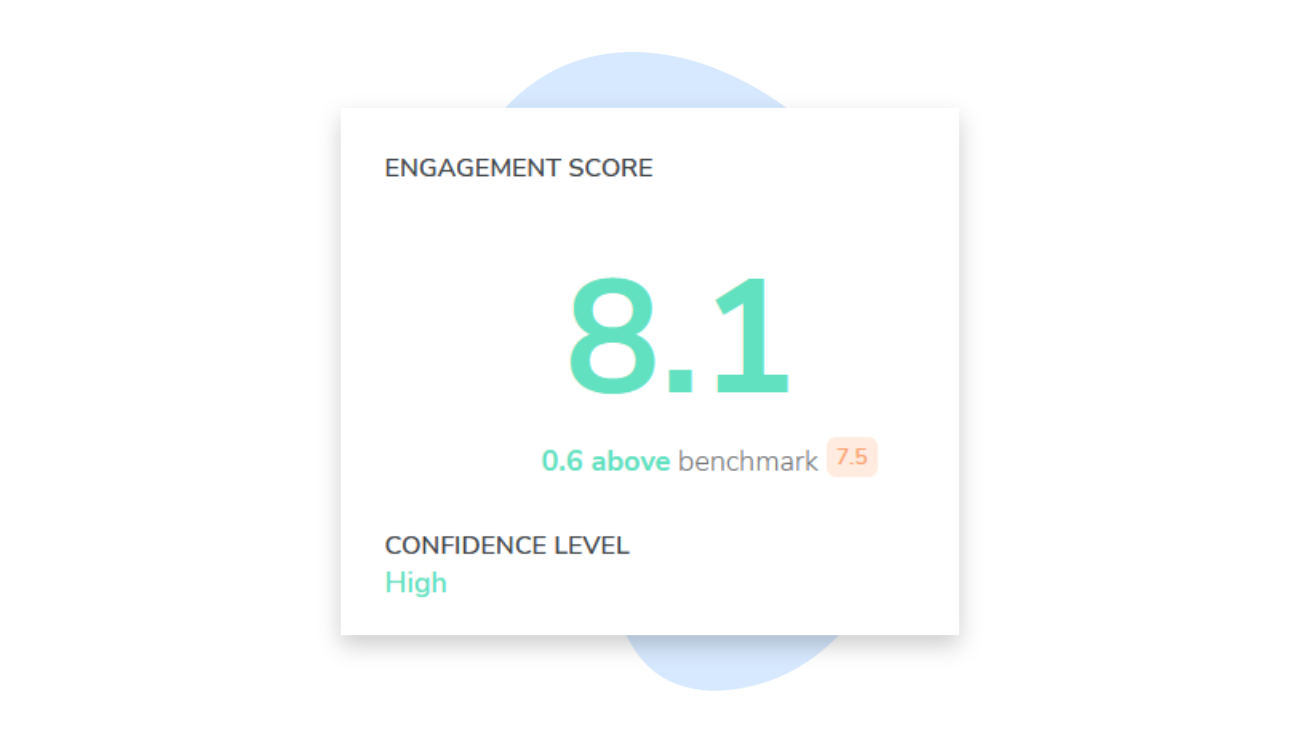
Provides robust benchmarks
Leaders need to compare their survey results with industry benchmarks to understand how they are doing. Using the right survey platform, you can compare your survey data with others in your industry, similar-sized companies, and top employers.

Equips managers with dashboards to visualize their results
Manager dashboards help managers visualize their survey results all in one place. With these dashboards, managers can easily track employee experience trends, and identify strengths and opportunities.
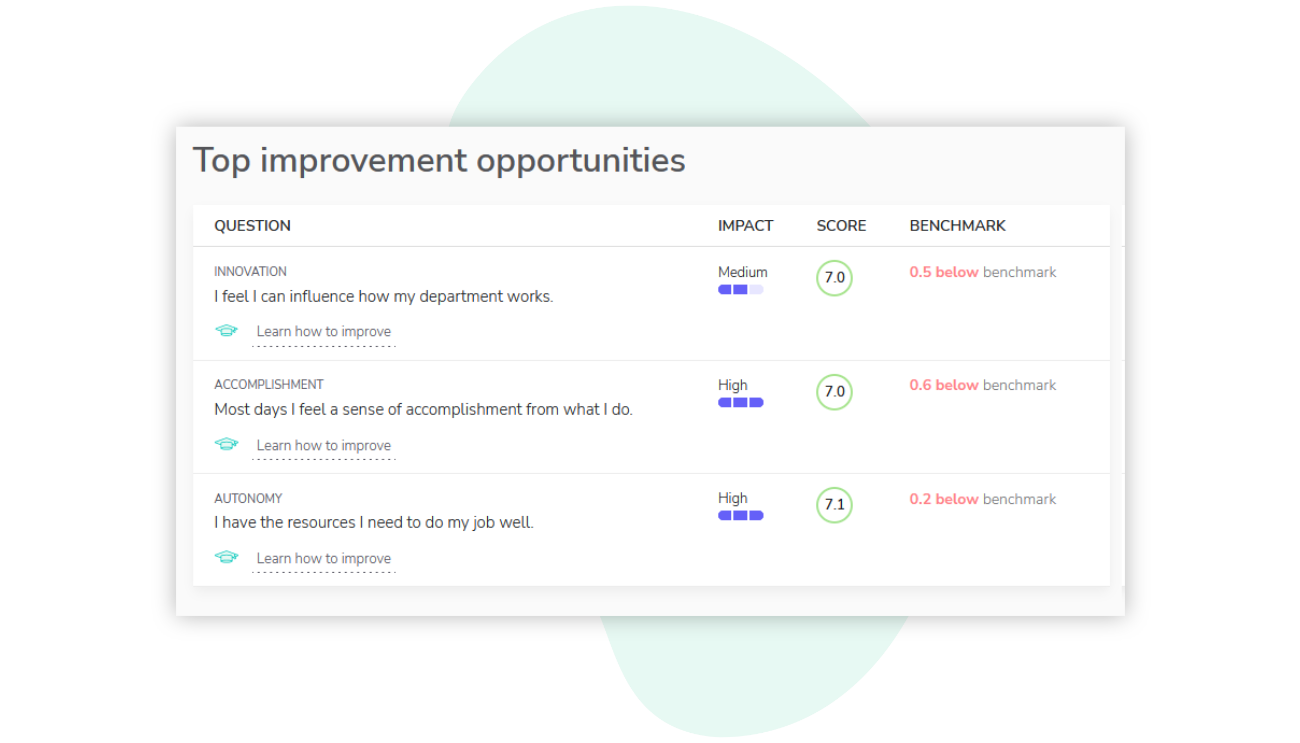
Provides a seamless user experience
You don't want your managers to waste valuable time on a clunky, hard-to-use platform. We designed Sparkbay with simplicity in mind. Your managers will master our intuitive dashboards in no time.
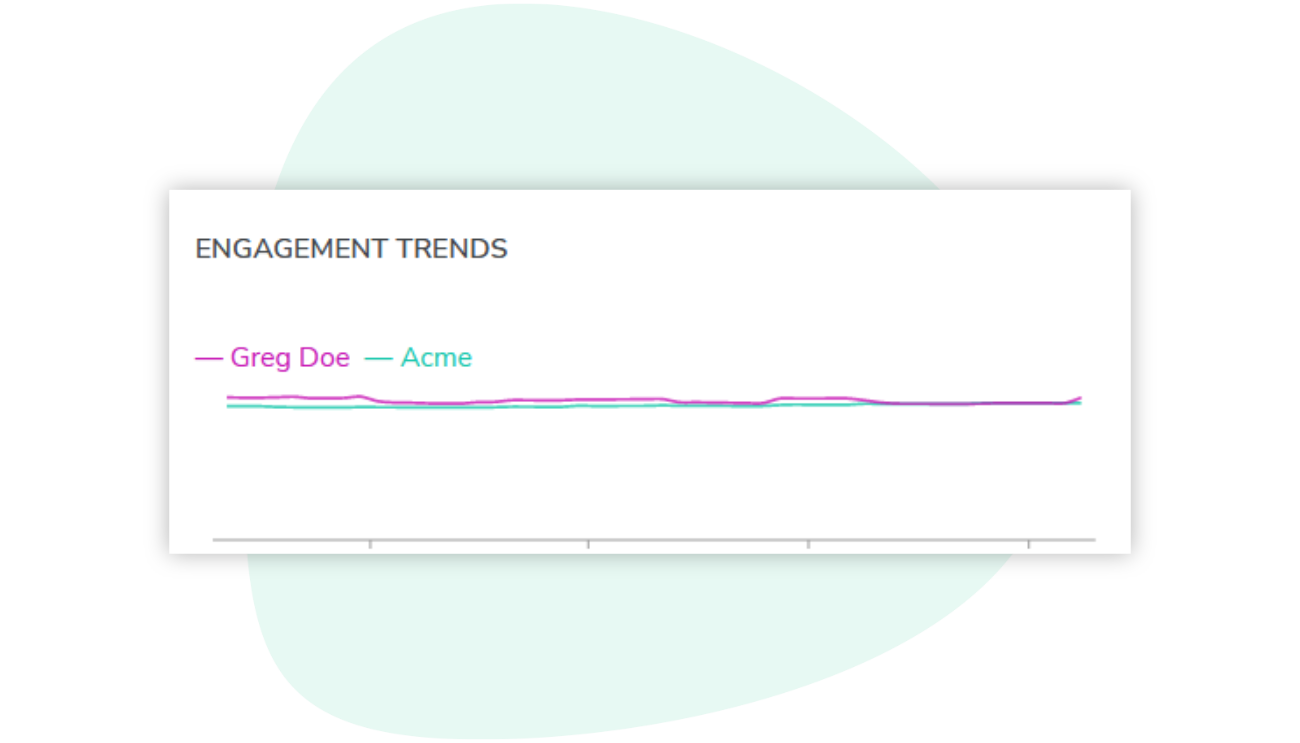
Gain access to real-time results
Taking action is the most significant part of your survey strategy. That’s why Sparkbay's real-time results let you expedite your process and propel insights into action.
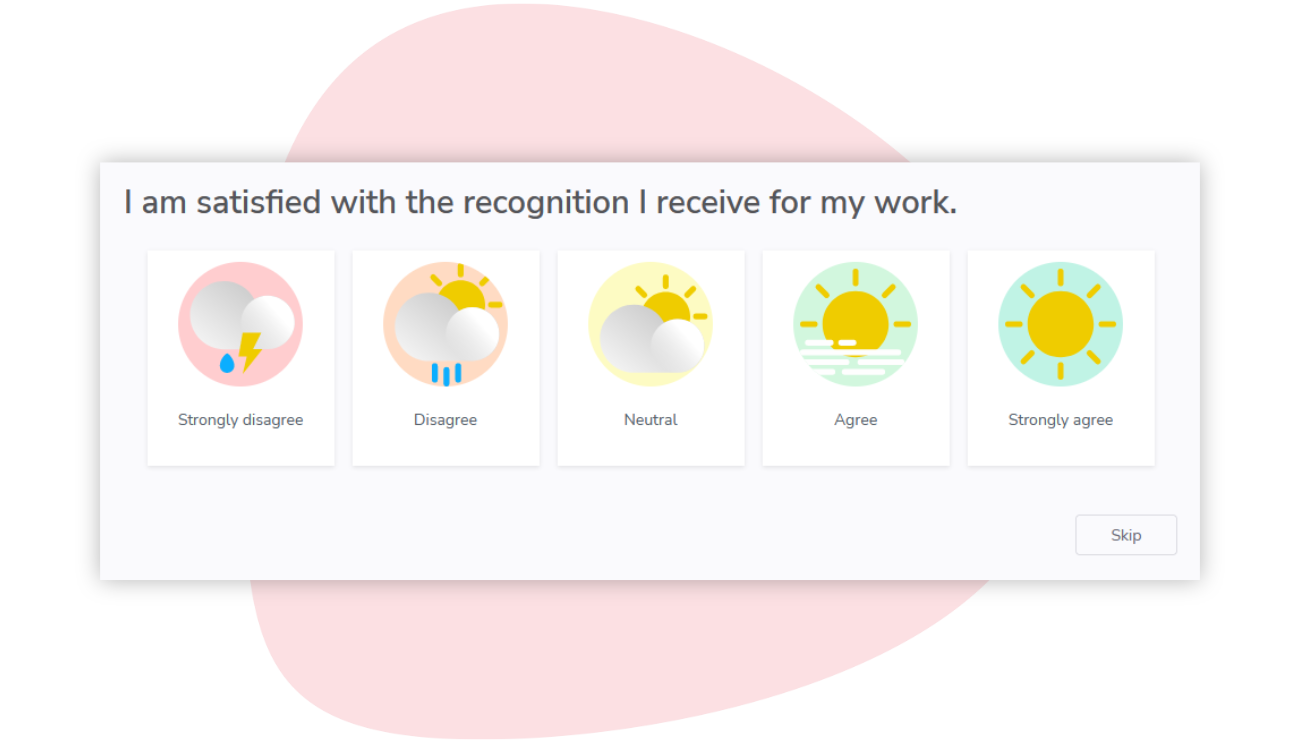
Offers science-backed questions on key workplace topics
To get the insights you need, you have to ask questions that resonate. Sparkbay offers science-backed questions on key workplace topics such as diversity and inclusion, change management, employee benefits, and more.
Measuring and improving employee satisfaction through employee pulse surveys is straightforward and effective when you adopt an approach that works.
By using a robust pulse survey platform to administer the right survey questions, you can easily collect employees’ feelings and sentiments to put these insights into context.
Sparkbay’s employee engagement software simplifies the process of distributing pulse surveys. You can automate who receives specific pulse surveys and schedule their distribution at frequent intervals to collect the right data, document trends, and generate the valuable employee insights that will help you engage your employees and improve your workplace culture.
If you're interested in learning how Sparkbay can help you survey your employees, you can click here for a demo.