
Give every senior living employee a say
Caregivers, nurses, kitchen and housekeeping staff answer the survey on a tablet in the staff room, with a QR code or by text message. Each residence director can see their residence's results and the questions to work on first.
See in action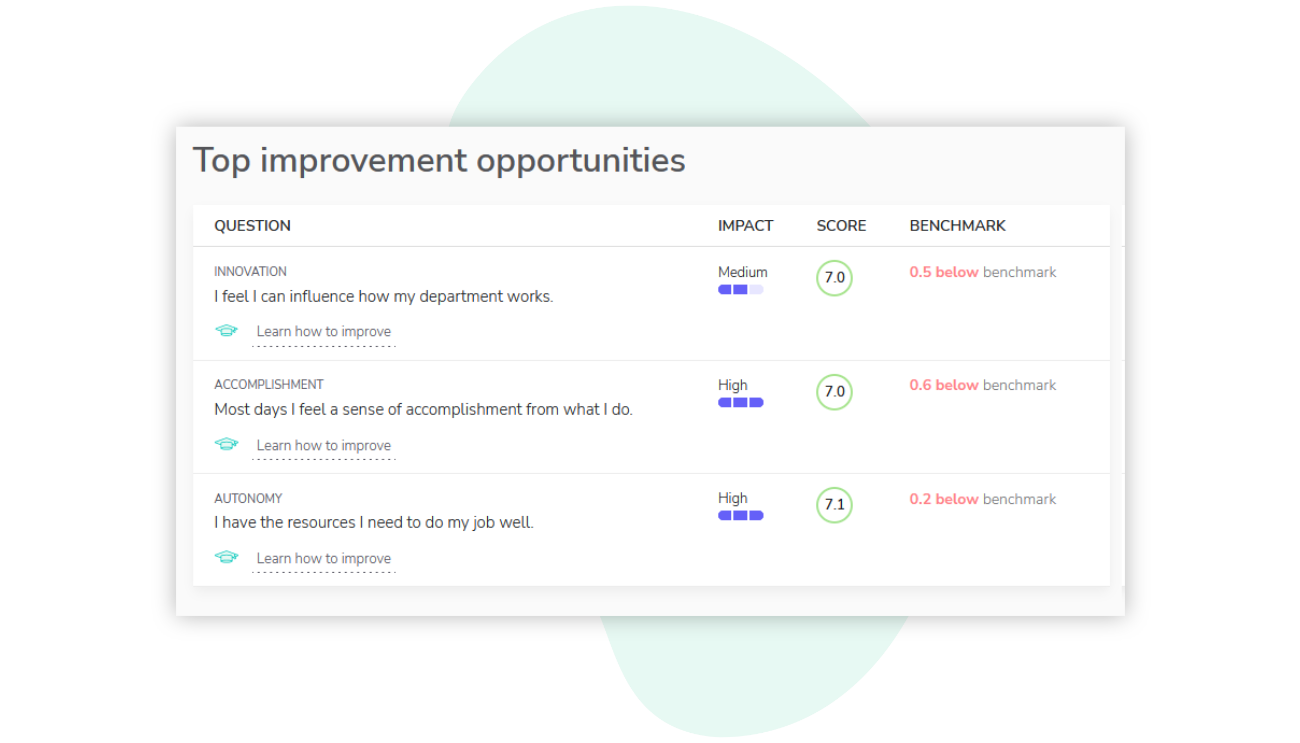
Caregivers are hard to reach and harder to keep
Residences run day and night, most of your staff work on their feet, and residents feel every gap in the schedule.
Rounds, not inboxes
Caregivers and nurses cover days, evenings, nights and weekends beside residents. Few have a work email, and fewer still have time for a computer between rounds.
Every residence is its own world
Each residence has its own director, building and habits. In one, the kitchen is short-staffed. In another, the night shift feels forgotten. Head office needs to see which is which.
Turnover that families notice
New caregivers often leave before they have settled in. Each departure brings overtime, agency staff and unfamiliar faces in residents' daily care.
How Sparkbay helps residences and their teams
Head office can compare every residence. A director can bring their residence's lowest scores to the next staff meeting and record the action plan the team agrees on, with a date for each action.
See which residence needs support
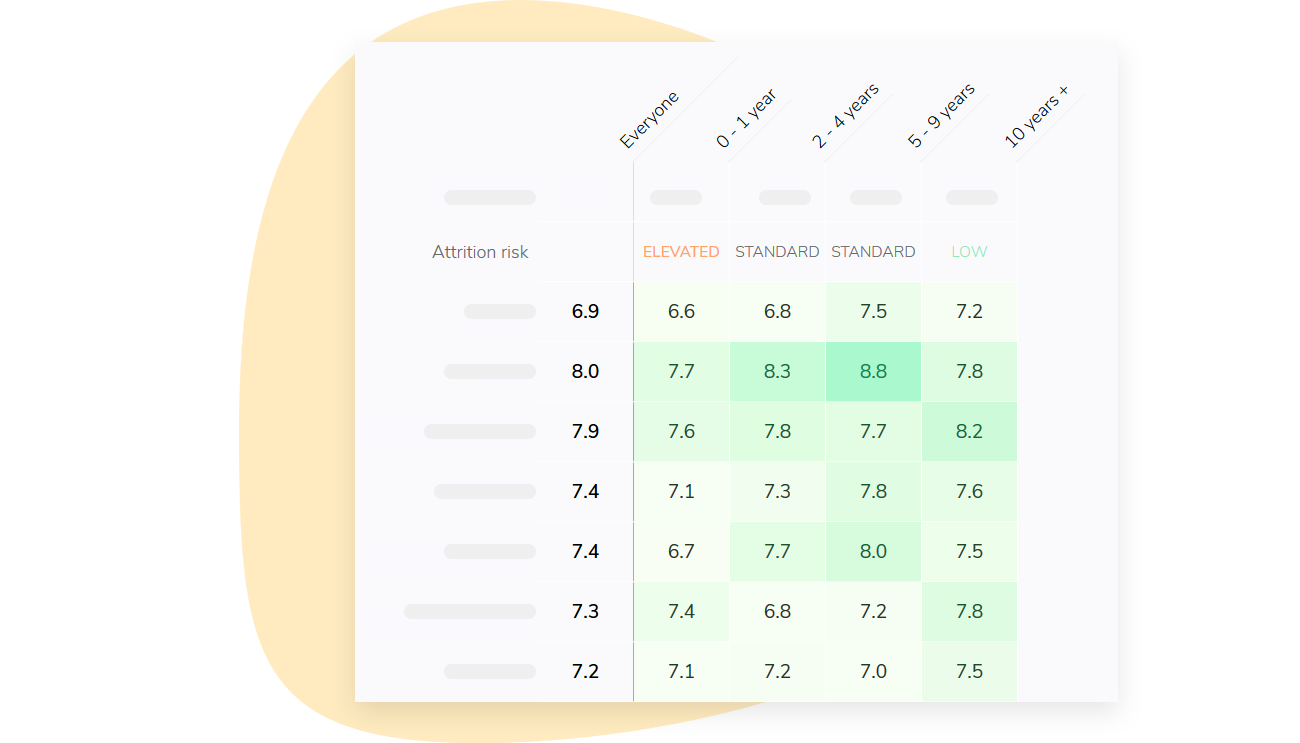
Line up all your residences in one heatmap, then look inside each one: care, kitchen, housekeeping, recreation.
Instead of reading every comment from every residence, start from an AI summary: the main themes, with the comments behind each one. It appears only for groups with enough commenters.

Help new caregivers settle in and stay
New hires get the onboarding questions once in their first three months, inside a survey they already receive. You learn early whether they feel welcomed and equipped for the job.
Turnover risk is scored every week by residence, department and years of service, so you can see whether your newest staff are the ones at risk.
Every employee can answer
Use one channel or combine them, so people with and without a work email can all take part.
A personal link in their inbox. No password to remember.
Text message
A survey link by SMS, opened on their phone.
Kiosk or QR code
A shared tablet on site, or a printed QR code they scan with their phone. They enter their employee number to answer.
Sparkbay helps us quickly identify improvement opportunities by slicing the data of groups with different realities. Without a tool like Sparkbay, it would have been very difficult to identify these elements.


A survey your teams can trust
ISO/IEC 27001 certified
An independent certification body audits our information security management system.
Anonymous by design
No result appears for a group below your anonymity minimum, 5 respondents by default. Its answers still count in the larger groups above it.
Privacy laws
Sparkbay complies with Quebec's Act to modernize legislative provisions as regards the protection of personal information (Law 25) and the General Data Protection Regulation (GDPR).
13 languages
Employees answer the survey in their own language.
Frequently asked questions
Are results broken down by residence?
Yes, if your employee data records where people work. Each residence and department large enough to keep answers anonymous gets its own results. You decide who sees what: a director can see their residence, head office all of them. Access can follow your org chart.
Do caregivers need a work email to answer?
No. At the residence, on a shared tablet or by scanning a printed QR code with their own phone, then entering their employee number.
We can set up a separate kiosk link and QR code for each residence, and a printed code stays valid from one survey to the next. Staff whose mobile number is on file can also receive their link by text message.
Is there a separate survey for new staff?
No. In their first three months, new hires get the onboarding questions once, inside a survey they already receive. There is nothing to schedule: Sparkbay uses the hire dates in your employee data, synced from your HR system or imported from a CSV file.
Is anonymity preserved in small residences and night teams?
Yes. Any group below your anonymity minimum, 5 respondents by default or the number your organization sets, gets no result of its own. Its answers still count higher up: a night team of three in its residence, a small residence in your whole organization.
Can we see which residences risk losing staff?
Yes. Every week, Sparkbay rates each team's turnover risk, and the heatmap shows the residences and departments where it is elevated. The residences to watch also appear in a monthly email to your HR administrators. Risk is reported for groups, not for individual employees.