
Measure and improve your eNPS
Your employee Net Promoter Score (eNPS) shows how likely your people are to recommend your organization as a place to work. Sparkbay measures eNPS continuously and shows you what drives it.
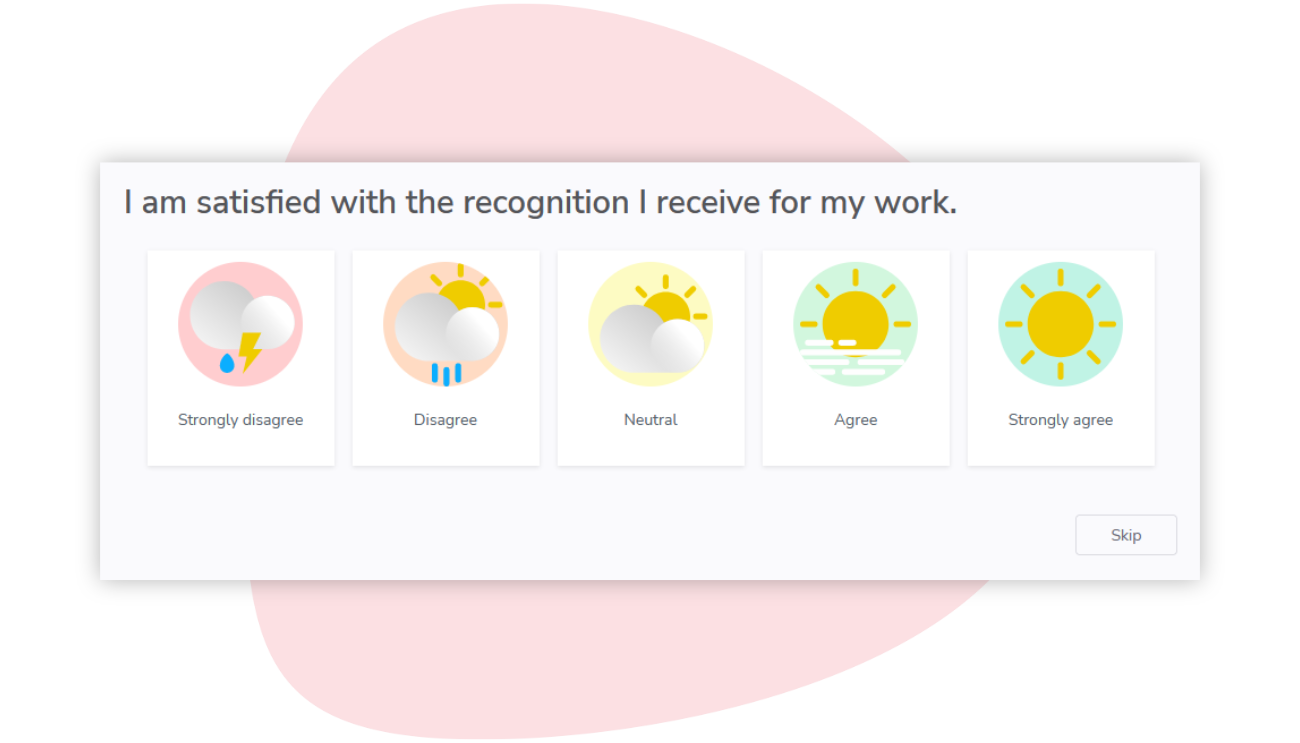
How Sparkbay helps you track eNPS
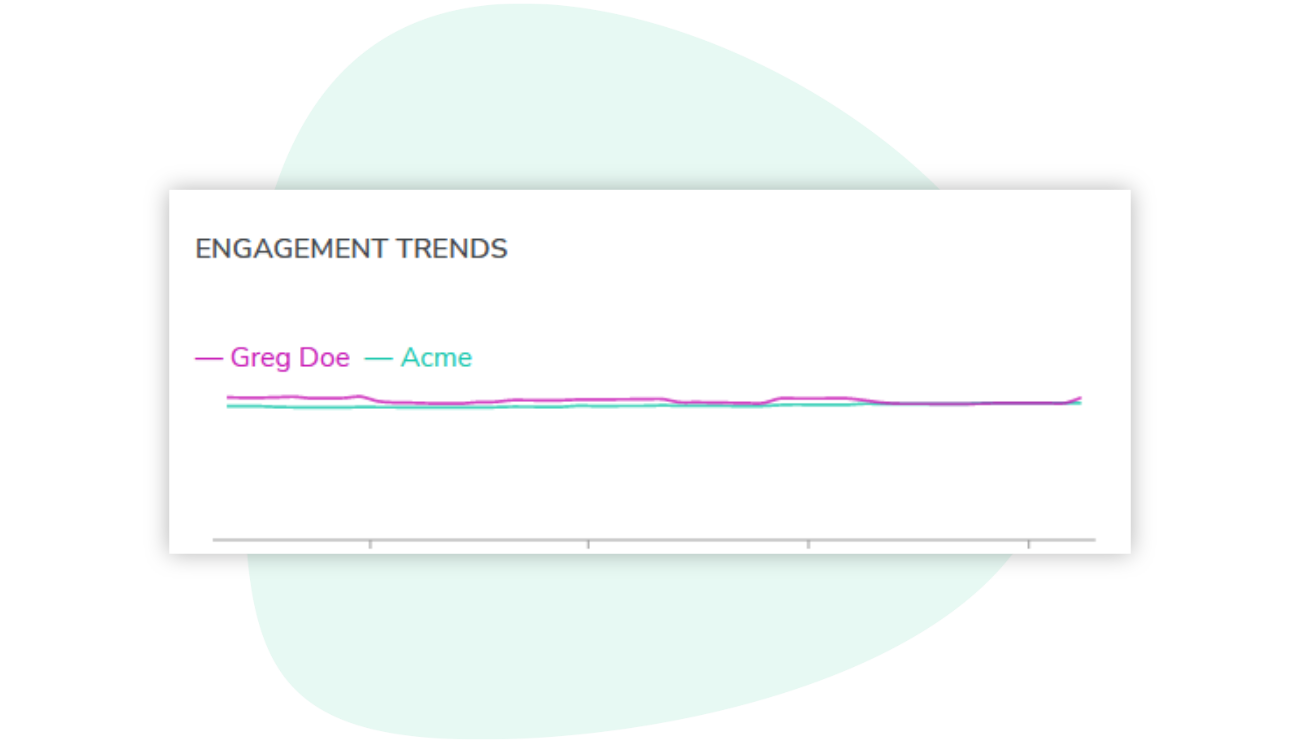
Continuous eNPS tracking
Sparkbay asks the eNPS question on a regular cadence and tracks your score over time, so you see trends instead of a single annual number.
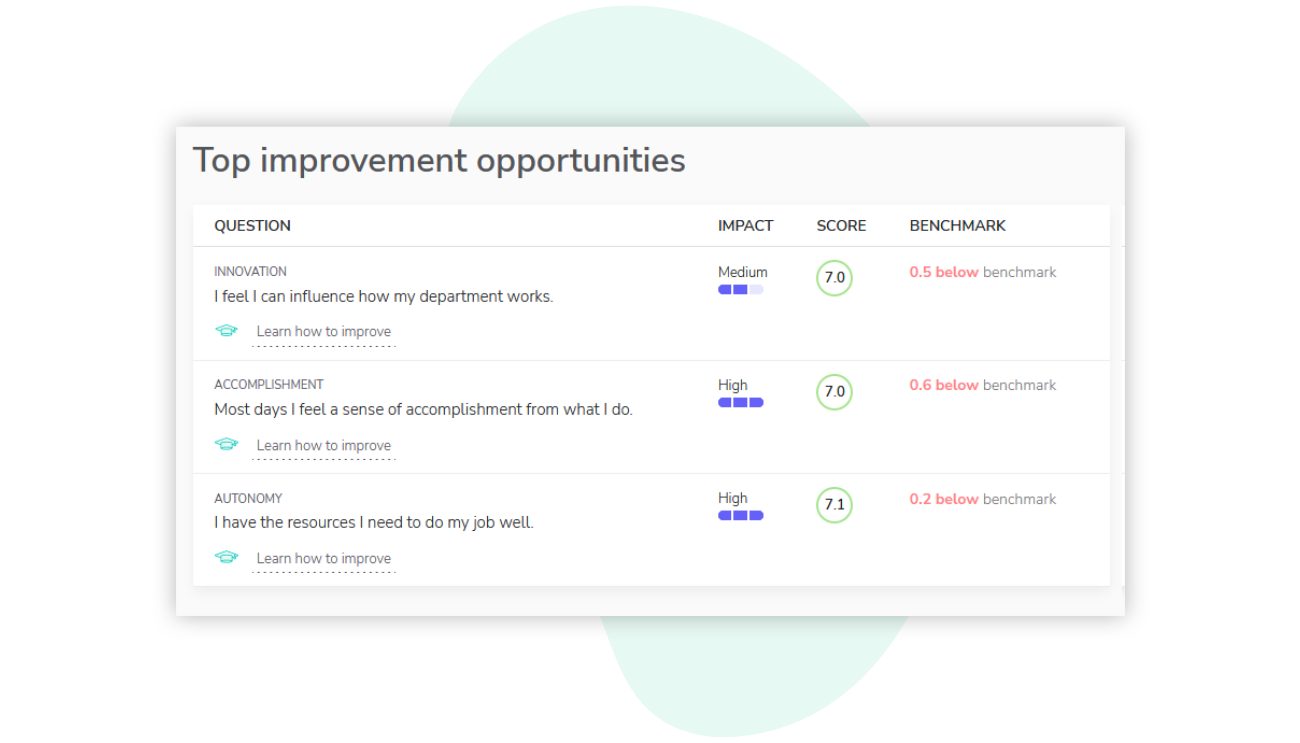
Understand what drives your score
Sparkbay links your eNPS to the underlying engagement drivers, so you know exactly what to improve to move the score.
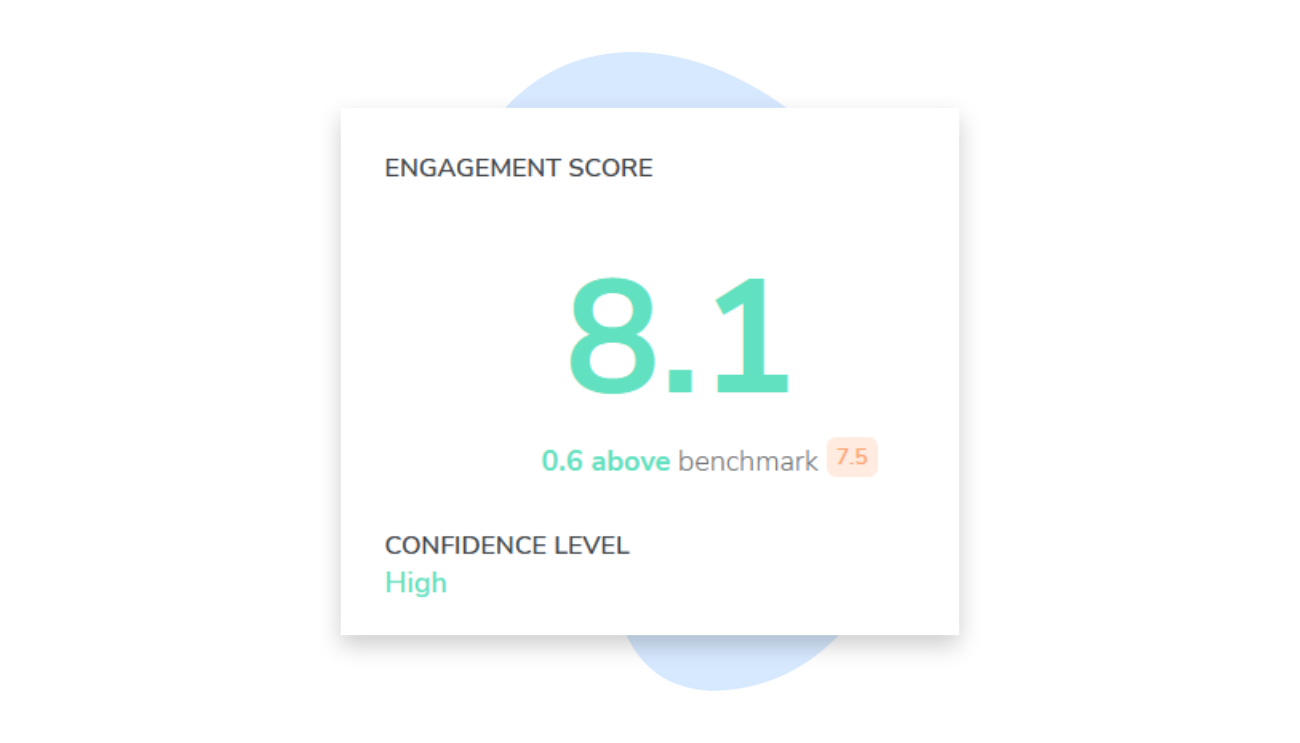
Benchmark and segment
Compare eNPS across teams, departments and tenure, and against benchmarks, to see where loyalty is strongest and weakest.
Turn promoters into advocates
Track trends
Follow your eNPS over time and see the impact of the actions you take.
Segment everything
Break down promoters, passives and detractors by team, manager and tenure.
Act with confidence
Get recommended actions focused on the drivers that move your score the most.
With Sparkbay’s live dashboards, what used to take me two full weeks now takes me less than a day. Now, the management team has access to the key indicators much more quickly.



Start improving your eNPS
See in actionFrequently asked questions
What is eNPS (employee Net Promoter Score)?
eNPS measures how likely employees are to recommend your organization as a place to work, on a 0-10 scale. It is calculated as the percentage of promoters minus the percentage of detractors.
How is eNPS calculated?
Subtract the percentage of detractors (scores 0-6) from the percentage of promoters (scores 9-10). The result ranges from -100 to 100.
How often should we measure eNPS?
Measuring eNPS continuously or quarterly gives a trend you can act on, rather than a single annual snapshot.
Is Sparkbay compliant with employee data privacy laws?
Yes. Sparkbay complies with Quebec's Law 25 (Loi 25) and the EU GDPR. Employee personal data is pseudonymized, encrypted in transit and at rest, and access is role-based. Learn more about our Quebec (Loi 25) and France (GDPR) compliance.